
How a Small Fishing Village in Palawan Regenerated Its Coral Reefs in Just 5 Years
A community-led initiative proves that ocean restoration is possible when local knowledge meets scientific innovation
By Marian Santos · 8 min read · Updated August 10, 2026 · Mimaropa
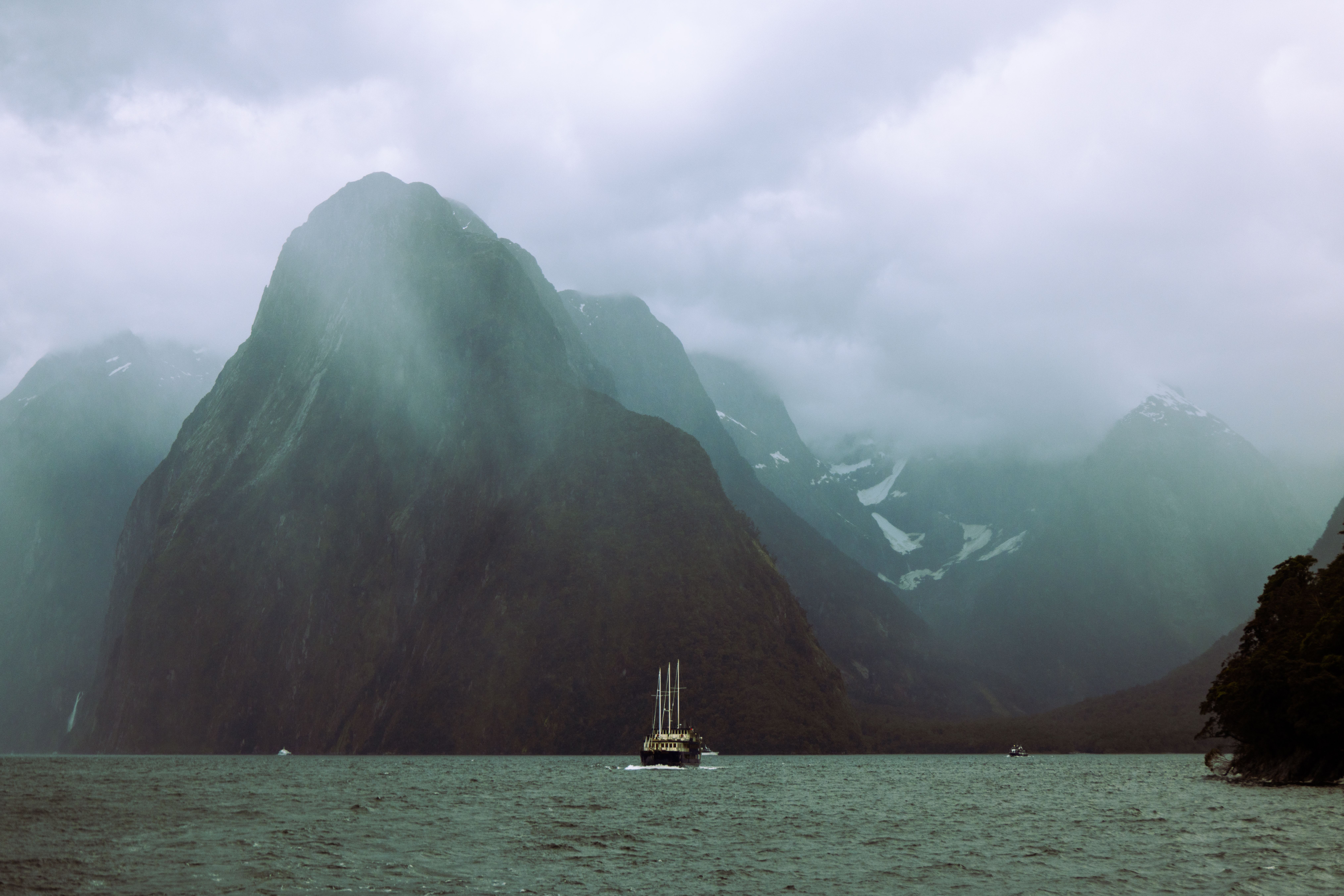
In the coastal waters of Palawan, what was once a graveyard of bleached coral skeletons has transformed into a thriving underwater metropolis. The village of Tagburos, with its population of just 1,200 fisherfolk, has achieved what marine biologists called "near impossible" — restoring 70% of their coral cover within five years through a community-led initiative that other coastal communities are now rushing to replicate.
The journey began in 2021 when the village's elders noticed their daily catch had dwindled to barely enough to feed their families. The once-abundant fishing grounds had become barren. A rapid assessment by local marine biologists revealed that destructive fishing practices, combined with rising sea temperatures, had destroyed nearly 80% of the coral ecosystem that served as the nursery for the fish they depended on. The situation was dire. Families were skipping meals. Children were dropping out of school because their parents could no longer afford supplies. The community was facing not just an environmental crisis but a humanitarian one.
"We had a choice," says Mang Lito Santos, 67, who has fished these waters since he was twelve. "We could keep doing what we were doing and watch our children go hungry, or we could try something different. We chose different." His weathered face, etched with years of sun and salt, breaks into a smile as he recalls the community meetings where they made that decision. "It wasn't easy. There were arguments, there were doubts. Some people said we were crazy to think we could bring the fish back. But we had nothing to lose and everything to gain."
What they chose was a radical departure from business-as-usual. The community established a 200-hectare marine protected area, enforced by a volunteer "bantay-dagat" or sea patrol composed of local youth. These young men and women, some of whom had never finished high school, became the guardians of their waters. They work in shifts, patrolling the protected area, ensuring that no illegal fishing occurs, and educating visitors about the importance of conservation. The patrol has become a source of pride for the village, giving young people a sense of purpose and responsibility.
The results have been nothing short of spectacular. Fish biomass in the protected area has increased by 340%. Species that hadn't been seen in decades, including the endangered Napoleon wrasse, have returned. The village's average daily catch has tripled, and they've even begun to see spillover effects in adjacent areas that remain open to fishing. Local markets are once again filled with a diverse array of fish, and families are eating well again. Children have returned to school, and some are even aspiring to become marine biologists themselves.
The Tagburos model is now being replicated in fifteen other communities across the Philippines. The national government has allocated ₱50 million to scale the program, while the Asian Development Bank has expressed interest in funding a regional expansion across Southeast Asia. The lessons from Tagburos are clear: when communities are empowered to manage their own resources, and when they are given the scientific knowledge and technical support to do so effectively, remarkable things can happen.

Written by Marian Santos · Senior Investigative Reporter
Investigative journalist with 12 years of experience covering environmental justice in Southeast Asia. Winner of the 2023 Pulitzer Prize for International Reporting. Marian has dedicated her career to exposing environmental injustices and amplifying the voices of communities on the frontlines of climate change.
View all stories →More from Marian Santos
View all stories →A Fisherman's Dream: How One Man's Determination Restored an Entire Bay
When Romy Marasigan saw his fishing nets come up empty, he decided to take action. Today, his efforts have helped restore Manila Bay and revive a fishing community.
Continue Reading
The Power of Collective Action: How a Neighborhood Transformed Its River
Residents along the Pasig River in Mandaluyong have organized a cleanup and rehabilitation program that has transformed a polluted waterway into a community asset.
Continue Reading
Comments
Carlos Mendoza 15 days ago
I visited Palawan last year and saw the coral gardens myself. The transformation is incredible.
Liza Fernandez 15 days ago
This is such an inspiring story! It gives me hope that we can heal our oceans if we work together.